Chairholder 2025 – 2027: Dr Helena Varkkey
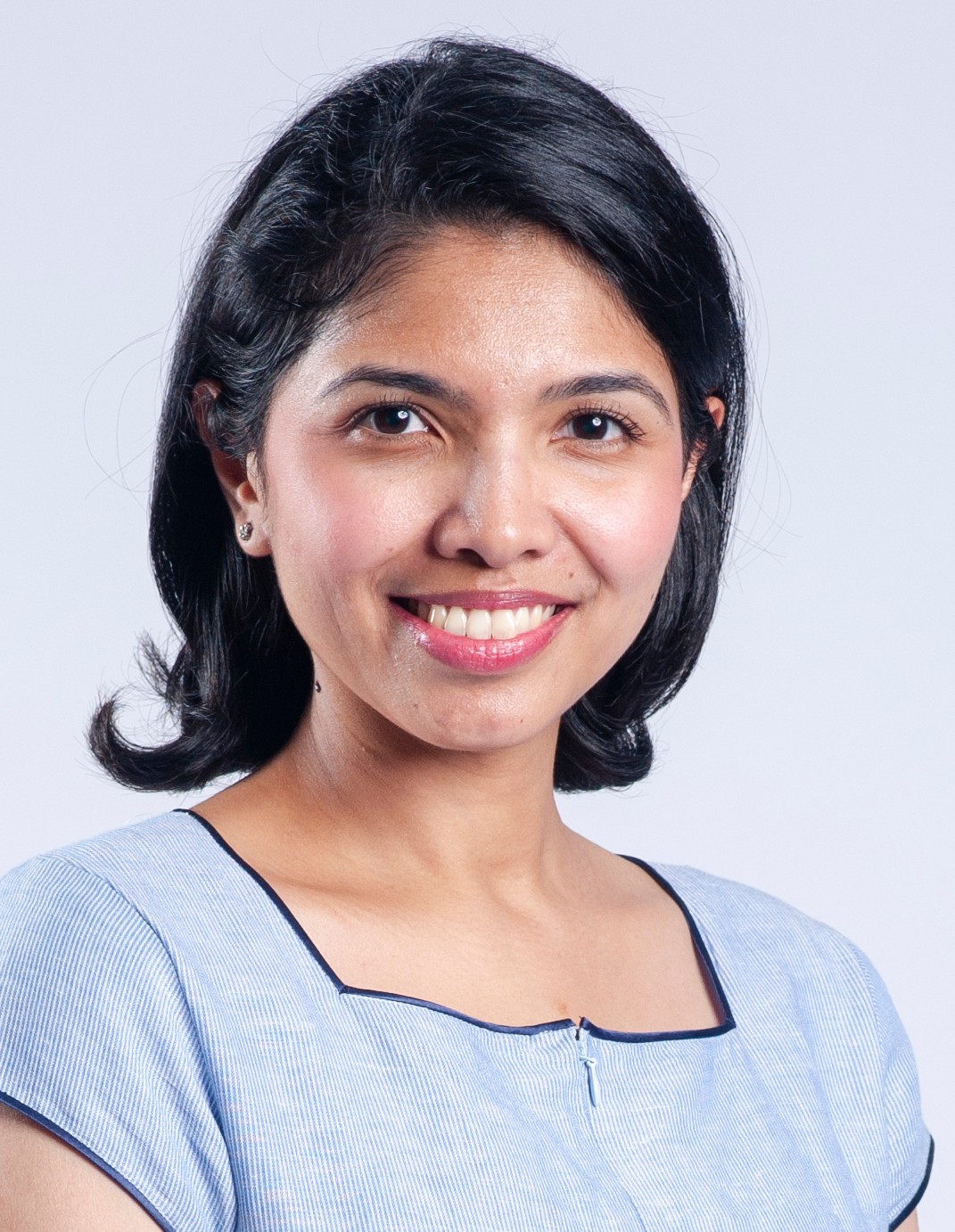
Professor Helena Varkkey appointed to Prince Claus Chair
As of 1 September 2025, Dr. Helena Binti Muhamad Varkkey will formally start the Prince Claus Chair in Equity and Development at the International Institute of Social Studies of Erasmus University Rotterdam (ISS) on Transboundary Haze Governance in Southeast Asia.
She will hold this position for two years, until 1 September 2027. In addition, she will continue to work at Universiti Malaya, Malaysia.
Read the inaugural speech of Helena.
The lived experiences and imaginaries of those crossing and living in securitized water borders
Dr Helena Varkkey is an Associate Professor of Political Ecology at the Department of International and Strategic Studies, Universiti Malaya. Her areas of expertise include transboundary haze governance in Southeast Asia and global palm oil politics. Her monograph on “The Haze Problem in Southeast Asia: Palm Oil and Politics” was published by Routledge in 2016. Her latest book is a collection of essays on the politics of haze and the environment in Southeast Asia called “The Forests for the Palms”, published by ISEAS Singapore in 2021. Dr Helena has almost two decades of experience in qualitative research, including conducting fieldwork, interviews, and focus groups among various government and non-government stakeholders, and has built up extensive research networks in countries across ASEAN. She has edited and produced reports for the Academy of Sciences Malaysia, UNICEF, and the ASEAN Secretariat.
To be announced.
On 11 September 2026, Helena Varkkey delivered a lecture on “Global Sustainability Politics of Palm Oil” at the Embassy of Malaysia in The Hague. Read more in Diplomat Magazine.
Contributed to an essay of the Global Constitution Project under Prof Joyeeta Gupta (Issue 2, No 92, pg 123-125)
About Dr Varkkey’s research
As holder of the Prince Claus Chair, Helena Varkkey focuses on transboundary haze governance in Southeast Asia. Her research examines the political and socio-economic dimensions of haze, alongside her expertise in global palm oil politics.
During dry periods, fires in Southeast Asia’s peatlands produce dense smoke that can travel across national borders. This haze creates hazardous air pollution, making its governance a challenge that extends beyond individual countries. Varkkey explores the politics behind this recurring problem and the pursuit of haze-free skies.
Her work also examines how language shapes public understanding of environmental problems. In her research on the idea of a “haze season”, she investigates how governments, businesses and other actors frame recurring pollution. Describing haze as seasonal can influence whether it is understood as an inevitable part of everyday life or as a problem requiring action. Her research highlights why these narratives matter for environmental governance and a liveable future.
At ISS, Varkkey is also involved in the Water, Securitization Anxieties and Border Imaginaries (WASABI) project. This comparative project explores the experiences and understandings of people living at and crossing securitized water borders across regions in Asia, Central America and Europe.